


Generally, it is not the furniture or the decoration that causes this; it is the lighting. Many homeowners consistently choose the perfect furniture, colours, and decorative items, but for them, the quality of the lighting itself is often overlooked. Still, this sole choice can have a radical effect on the mood of a place, potentially making it warm and cosy, bright and lively, or even cold and unwelcoming.
In this article, we will discuss the actual meaning of warm and cool lighting, the kind of light most suitable for different parts of the house, and how the materials and finishes of your light fixtures can have a considerable effect on the look and feel of a room.
Understanding Warm and Cool Lighting Before You Choose
Perhaps the furniture has been perfectly styled, and the décor has been carefully handpicked; still, the room does not feel as inviting as it should. Usually, the problem lies not in the room itself but in how it's lit. Most people pick lighting mainly based on the way the light fixtures look, not the way they light a room. But this one choice can absolutely set the tone of a room. This article will explain what warm and cool lighting really means, where each of them is good to use, and why the material of your lighting fixture can be just as important as the bulb.
What Is Warm and Cool Lighting?
Color temperature is the term used to describe the warmth or coolness of light, and it is measured in Kelvin (K). The range for warm light is typically 2700K-3000K, which is known to emit a soft golden, amber-toned glow, whereas the range for cool light is 4000K-5000K, and it looks brighter, crisper, and white.
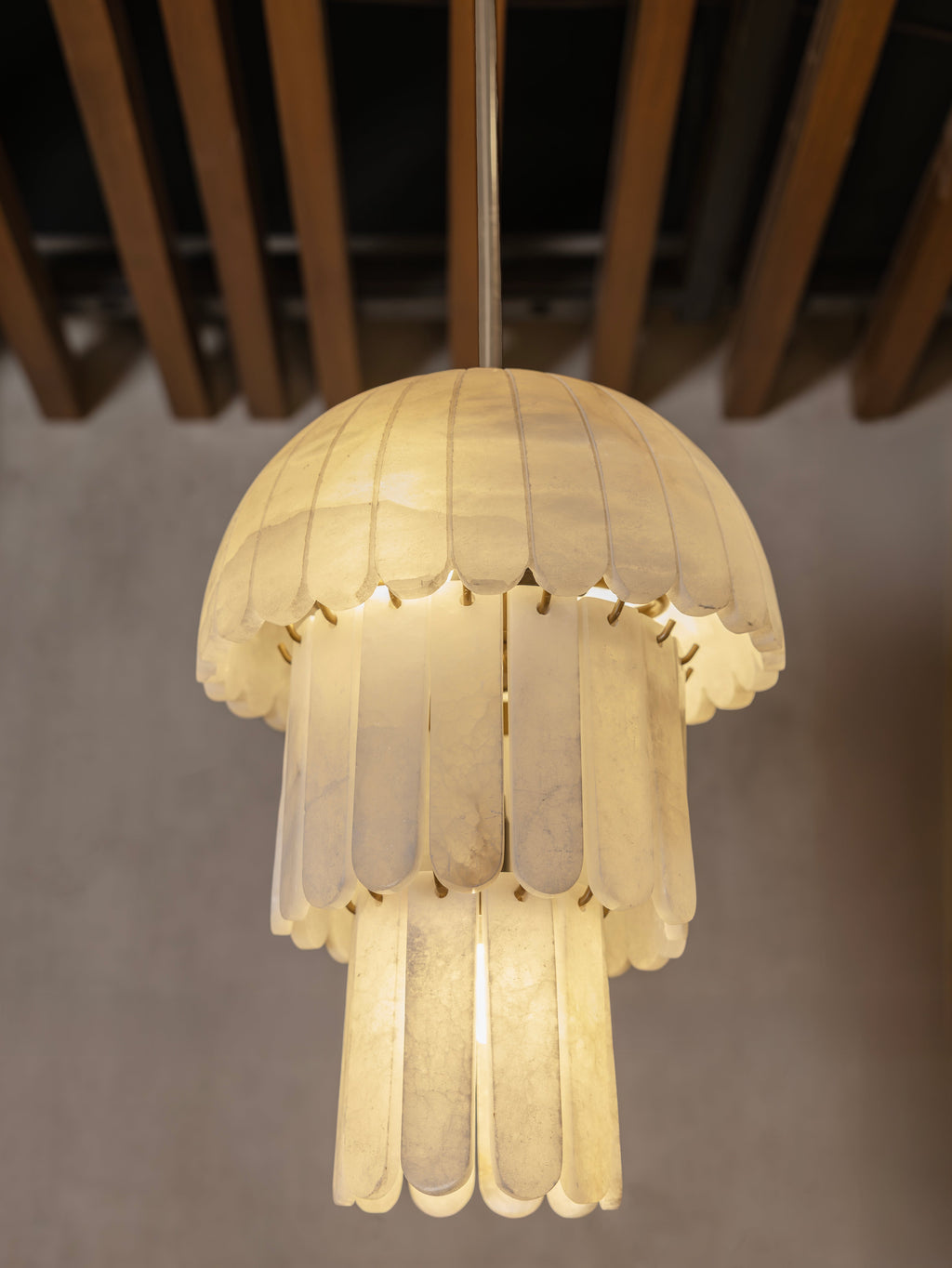
A fact that not many are aware of is that the fitting changes the light as much as the bulb. For instance, a Spanish alabaster pendant naturally diffuses and softens light, imbuing it with warmth and character no matter what its kelvin value is. This is why choosing the best lighting for home interiors is not only about deciding between cool white and warm white light; it also involves picking the right fixture material.
Warm Lighting — Where It Works Best
Warm lighting is suitable for any place where you wish to be comfortable. In the living room, warm lighting can convert the seating area into a cozy spot for both relaxation and socializing. For instance, a Spanish Alabaster pendant light above the seating area radiates a luxurious golden glow that a cool light bulb cannot produce; therefore, it's a classic piece for any pendant light selection.
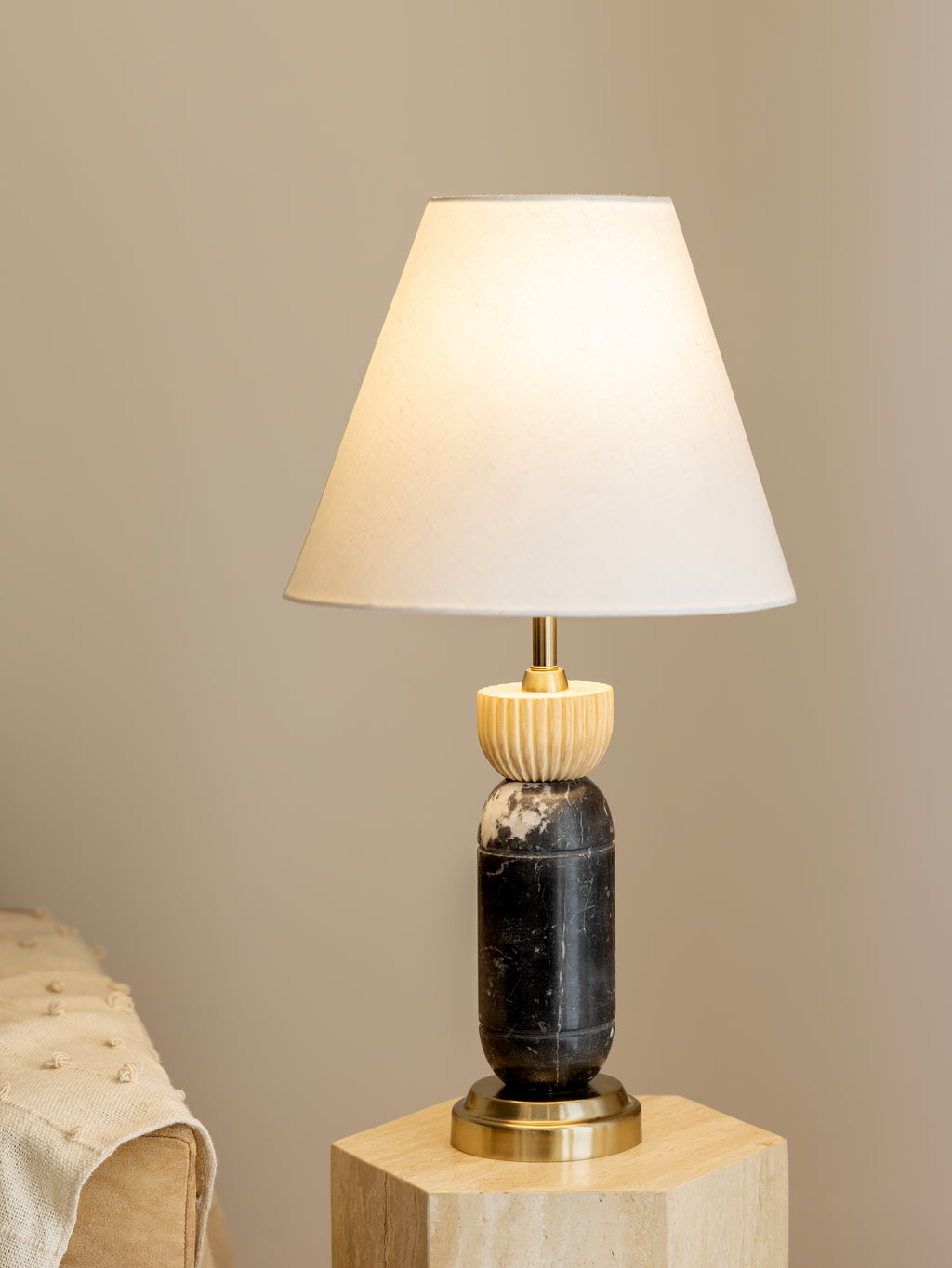
A marble table lamp combined with a warm bulb results in a gentle light pool that is both comforting and thoughtful, rather than sterile, and at the same time, it is a remarkable piece in the Designer Lighting collection.
Cool Lighting — Where It Actually Belongs
Not cool, light is a lesser option, it just has different use cases. For instance, in kitchens, cool white lighting over a food preparation area increases visibility, and the surfaces will look clean, fresh, and sharp. In this case, the primary concern is function, so the decision to have cool white over warm white lighting is a straightforward one.
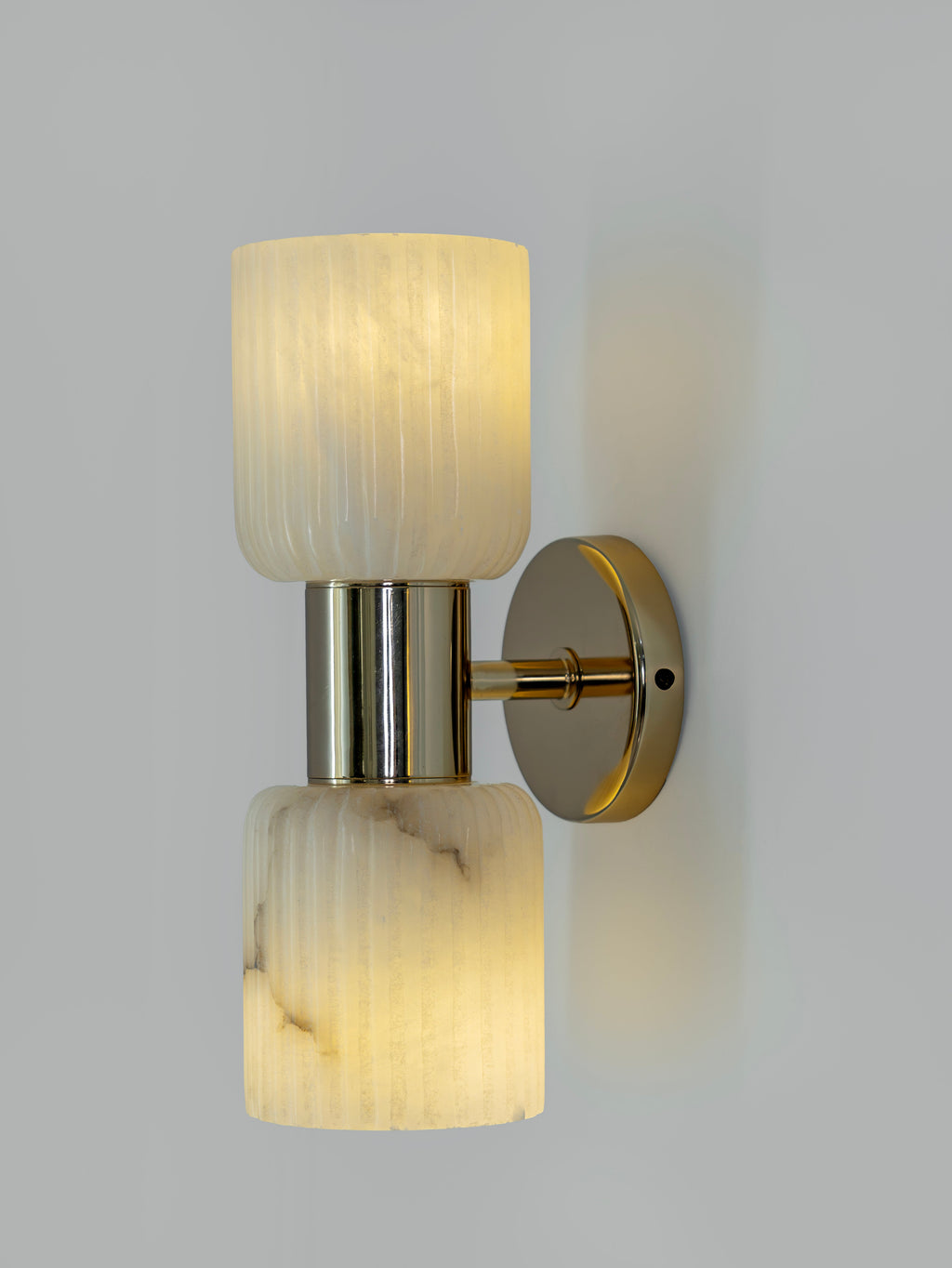
Bathrooms are yet another area where cool lighting is quite effective. It is excellent around a vanity mirror for colour accuracy when you are grooming, doing skincare, or making up. To prevent this from looking like a hospital, add warm decorative touches such as a marble soap dish, a stone tray, or wall sconces with elegant lighting. When you are deciding on the best lighting for indoor areas of a home, the error is not picking cool lighting, it is using it in every place.
The Room-by-Room Guide — Warm, Cool or Both?
The bedroom demands warm lighting all the time. A lamp made of marble placed close to the bed and a portable stone light on top of a dresser can create a nice glow that is calm and layered, making Designer Lighting an essential element of the plan.
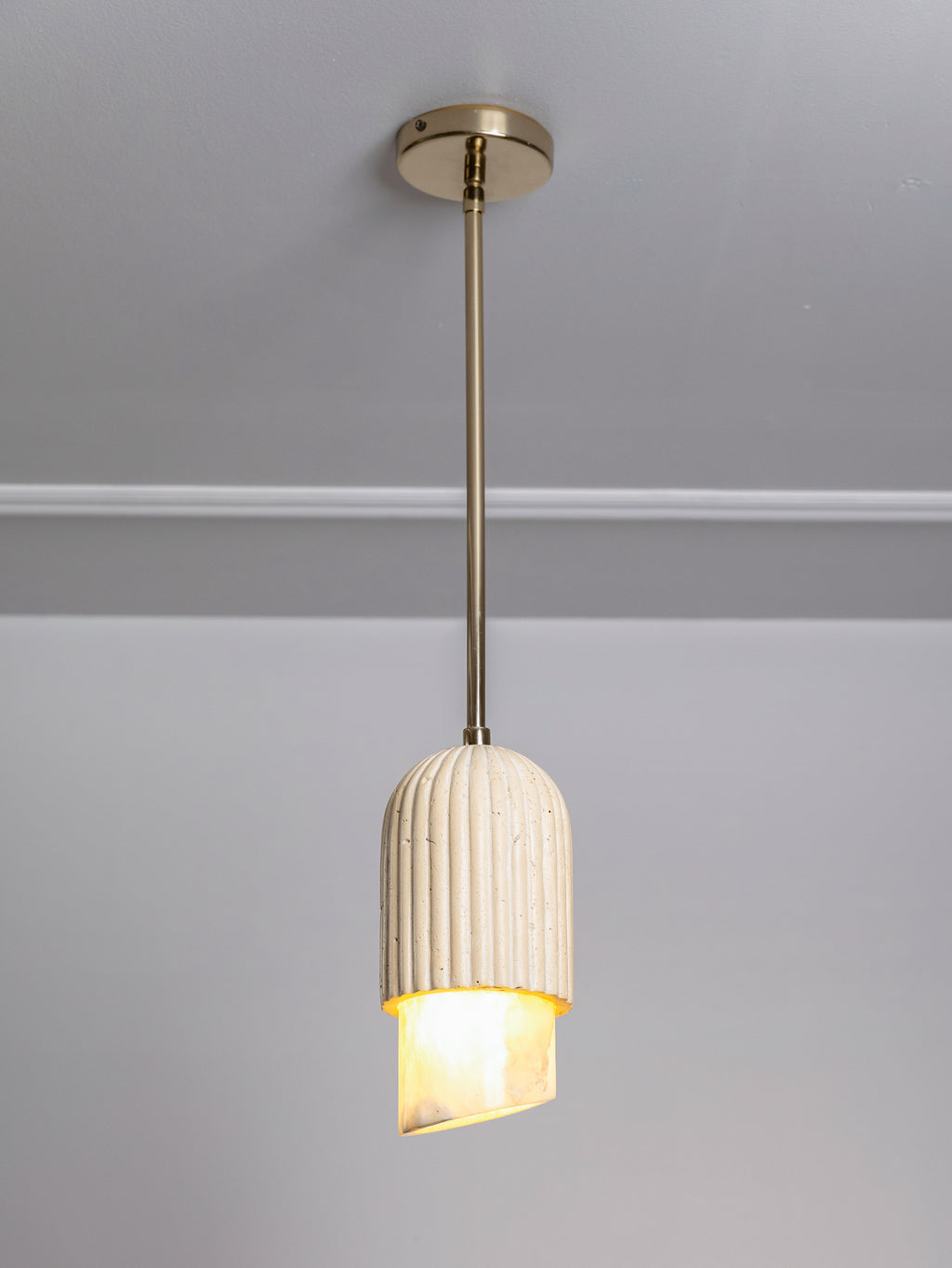
Generally, cool lights illuminate the kitchen better, whereas warm lights are used for dining areas and seating at the island. Cool lighting at the mirror in the bath helps in getting the right appearance, whereas warm lighting in other areas keeps the room inviting. Add a good dose of warmth to the alabaster wall sconce without losing the effect of visibility. Always go for warm light for the entryway because it creates a favorable impression immediately. Designer Ceiling Lights are especially suitable for this purpose.
Why the Material of Your Light Fitting Matters More Than the Bulb
Spanish Alabaster is naturally translucent, so light goes through the stone instead of just bouncing off the surface. This produces a gentle, glowing golden light that synthetic materials and ordinary glass lamps have a hard time imitating. That is why a regular warm bulb in an Alabaster pendant gives lighting of a deeper, more thoughtful quality than a top-notch bulb in a synthetic shade.
This same notion is valid for task lighting. Marble bases like Marquina or Aurelia Green give visual warmth and character even without a light that then becomes a source of additional illumination and atmosphere that is surrounding the surface.
How to Mix Warm and Cool Lighting in One Room
The best illuminated rooms don't select only one type of light; they creatively combine both. The main point is to know where each kind of lighting is suitable and to layer the lights purposefully. Generally, warm light should be employed for ambient and accent lighting, while cool light is best for task areas where clarity and visibility are essential.
To illustrate, a living room that has a reading nook can have a warm pendant light overhead to set a relaxing overall mood, and a cool task lamp next to the reading chair for focused illumination. A warm portable light on a nearby console then visually connects the whole space and creates a sense of balance instead of contrast.
Conclusion
Warm vs cool lighting is not about deciding one only and abandoning the other; the decision lies on the choice of the right light for the right room, the right zone, and the right material. As the room-by-room guide in this blog post has demonstrated, the most harmonious interiors are the ones that merge both in a clever, considered manner, while natural materials such as Alabaster and marble determine the character of the light almost to the same extent as the light source/bulb itself.
And the best part? You don't have to rewire your house to see a difference. Just by switching a single fixture for a new one in natural stone, you can completely change the atmosphere and visual interest of the room. If you want the best lighting for home interiors, check out our Lighting collection to find luxury lighting fixtures designed for premium home lighting. After all, great interiors are not characterized by the amount of light but by the quality of light.
FAQ
Q: What is the difference between warm and cool lighting?
Warm lighting typically falls between 2700K and 3000K on the Kelvin scale and produces a soft, golden glow that feels inviting and comfortable. Cool lighting ranges from around 4000K to 6500K and appears brighter, crisper, and more energetic. The choice between warm and cool lighting significantly influences the mood, atmosphere, and visual character of a room.
Q: Which lighting colour temperature is best for a living room?
For most living rooms, warm lighting between 2700K and 3000K works best. It creates a relaxed environment that encourages conversation and comfort while complementing natural materials such as wood, stone, and fabric. Layering ambient, task, and accent lighting within this range often produces the most balanced result.
Q: Should bedroom lighting be warm or cool?
Bedrooms generally benefit from warm lighting. A colour temperature between 2700K and 3000K creates a calming atmosphere that supports rest. Cooler lighting can feel overly stimulating in a space intended for winding down, although it may be useful in specific task areas such as dressing tables.
Q: Can I mix warm and cool lighting in the same room?
Yes, but it should be done intentionally. Many well-designed interiors combine warm ambient lighting with cooler task lighting where additional clarity is needed. The key is maintaining visual balance so that the room feels cohesive rather than divided between conflicting light sources.
Q: Why does my room look different with an alabaster pendant vs a glass one?
The material surrounding a light source affects how light is diffused throughout a space. Alabaster naturally softens and filters light, creating a warm, gentle glow with subtle variations in tone. Glass tends to allow light to pass through more directly, resulting in a brighter, sharper appearance. This difference can dramatically change the mood and perceived warmth of a room.
Q: Does the material of a light fixture affect how lighting looks in a room?
Absolutely. Materials such as alabaster, fabric, stone, and frosted glass diffuse light differently, while clear glass and polished metals reflect and distribute light more directly. The fixture itself becomes part of the lighting experience, influencing brightness, shadow, texture, and overall atmosphere.
Q: What Kelvin rating is best for home interiors?
For most residential interiors, 2700K to 3000K is considered the ideal range. It provides a warm, welcoming quality that works well in living rooms, bedrooms, dining spaces, and hospitality-inspired interiors. Areas that require greater visibility, such as kitchens, home offices, or utility spaces, may benefit from slightly cooler temperatures around 3500K to 4000K.


